You're all caught up—no notifications available.
Explore All Exams at KGS


All Exams
Explore All Exams at KGS

Khan Sir Courses
Geography I Polity I History | World Map I Indian Map I Economics I Biology

UPSC & State PSC
UPSC I BPSC I UP-PSC I MP-PSC

State Exams
UP I Bihar I MP | Rajasthan

NEET | JEE | CUET
NEET | JEE | CUET

Defence Exams
NDA I CDS I CAPF I AFCAT I SSB I Agniveer

Police Exams
UP SI | Bihar SI | Delhi Police | UP Constable

SSC Exams
CGL I CPO I CHSL I MTS I SSC GD I Delhi Police

Foundation Courses
Physics I Chemistry I Biology I History I Geography I Polity I NCERT I Math I English | Map I Reasoning

Railway Exams
RRB | RPF

Teaching Exams
TET | Teaching | UGC

Banking Exams
SBI | RBI | IBPS

Engineering Exams
Civil | Electrical | Mechanical
UGC NET
UGC NET/JRF
Current Affairs provides you with the best compilation of the Daily Current Affairs taking place across the globe: National, International, Sports, Science and Technology, Banking, Economy, Agreement, Appointments, Ranks, and Report and General Studies
SYLLABUS
GS-3: Environment Conservation, environmental pollution and degradation, environmental impact assessment.
Context: The UNESCO People and Nature Report presents a stark warning that nearly 90% of UNESCO-designated sites are under high environmental stress, despite their global protection status.
About the Report:
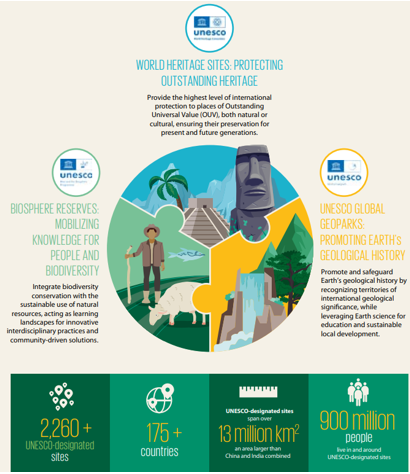
The Report is the first assessment across all UNESCO categories such as World Heritage Sites, Biosphere Reserves and Global Geoparks.
• It brings together a single network of more than 2,260 sites covering over 13 million sq km, which is larger than the combined area of China and India.
• Most critically, about 98% of these sites are already experiencing climate change impacts, indicating that no major ecological region is untouched by global warming.
• Every 1°C of warming avoided could halve the number of sites exposed to major disruption by the end of the century.
• The report highlights a key global governance challenge, even the most protected ecosystems are increasingly vulnerable to climate and human pressure
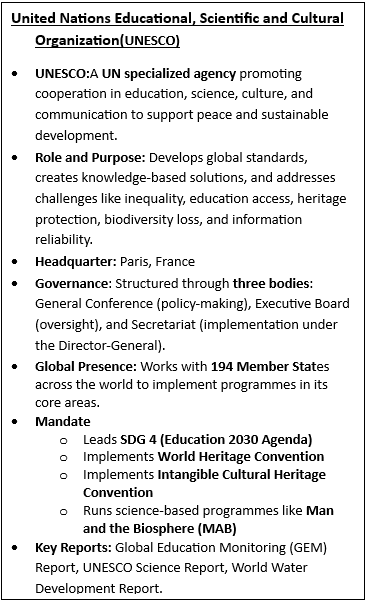
Key Findings of People and Nature Report
• Climate Change as the Dominant Pressure: Climate change has emerged as the most widespread threat, with 98% of UNESCO sites experiencing at least one extreme climate event since 2000.
• Land-Use Change and Ecosystem Degradation: Alongside climate change, human pressures are reshaping these protected areas.
• Risk of Ecological Tipping Points: The report warns that more than 25% of UNESCO sites may cross irreversible ecological tipping points by 2050.
• Biodiversity and Global Significance: Despite rising pressures, UNESCO sites remain critical biodiversity strongholds.
• Climate Regulation and Human Dependence: UNESCO sites play a vital role in global climate stability. They absorb nearly 700 million tonnes of CO₂ annually and store around 240 gigatonnes of carbon in forests, soils, and coastal ecosystems.
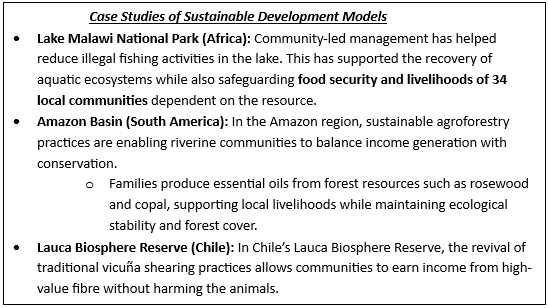
UNESCO initiatives like “Women for Bees” support sustainable beekeeping, including in India’s Western Ghats.
Sources:
Down To Earth
UNESCO
UNESCO
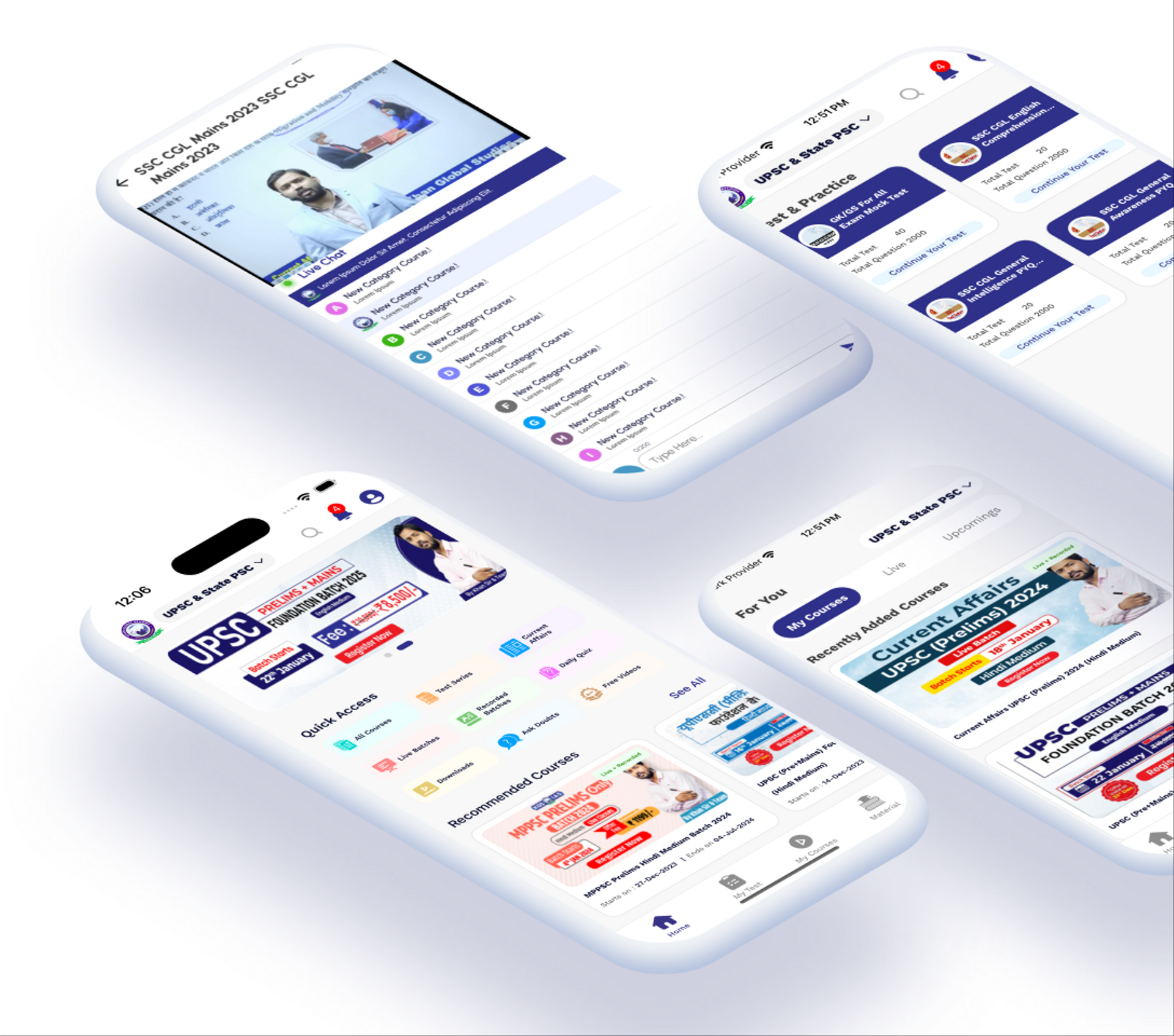
The most trusted learning platform on your phone
With our training programs, learning online can be a very exciting experience! Take the next step toward achieving your professional and personal objectives


Course Related Query:
Ask Your DoubtsStore Related Query:[email protected]NCERT Books
Resources
We love learning. Through our innovative solutions, we encourage ourselves, our teams, and our Students to grow. We welcome and look for diverse perspectives and opinions because they enhance our decisions. We strive to understand the big picture and how we contribute to the company’s objectives. We approach challenges with optimism and harness the power of teamwork to accomplish our goals. These aren’t just pretty words to post on the office wall. This is who we are. It’s how we work. And it’s how we approach every interaction with each other and our Students.
Come with an open mind, hungry to learn, and you’ll experience unmatched personal and professional growth, a world of different backgrounds and perspectives, and the freedom to be you—every day. We strive to build and sustain diverse teams and foster a culture of belonging. Creating an inclusive environment where every students feels welcome, appreciated, and heard gives us something to feel (really) good about.
Get Free academic Counseling & Course Details